Cold weather doesn’t just affect your comfort—it can take a serious toll on your plumbing system. As temperatures dip, pipes contract, appliances work harder, and hidden weaknesses are exposed. What starts as a minor issue can quickly become an expensive plumbing emergency if it’s ignored. Fortunately, many common winter plumbing problems can be avoided with a little foresight and routine care.
Below are the most frequent winter plumbing emergencies homeowners encounter, and what you can do to reduce the risk.
Frozen Pipes
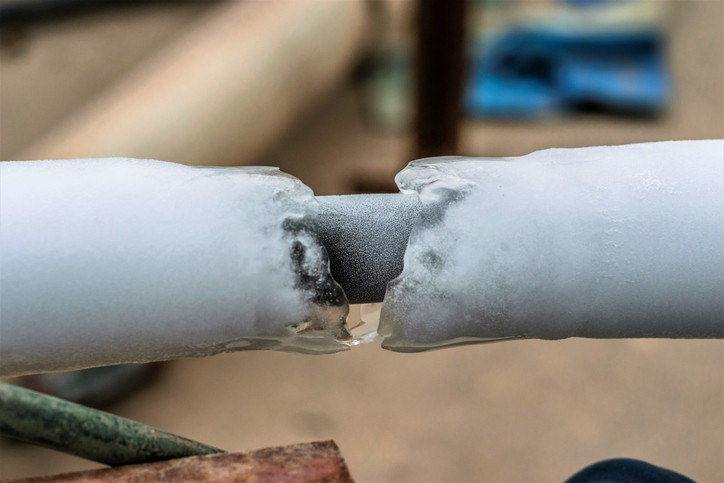
Frozen pipes top the list of winter plumbing headaches. When water freezes inside a pipe, it expands, placing intense pressure on the pipe walls. This can cause cracks or breaks, often in areas that are out of sight until damage has already occurred. Pipes located in exterior walls, attics, garages, basements, and crawl spaces are the most susceptible.
How to avoid it: Insulate exposed pipes and seal gaps or cracks that allow cold air to reach the pipes. Keep your home heated to a steady temperature, even when you’re away. During especially cold weather, allowing faucets to drip – even overnight – can help keep water moving and reduce the chance of freezing.
Burst Pipes
A burst pipe is often the result of freezing, but old age, corrosion, or excessive water pressure can also be contributing factors. Once a pipe ruptures, water can spread quickly throughout your home, damaging drywall, flooring, furniture, and personal belongings.
How to avoid it: If you suspect a pipe has frozen, act quickly and shut off the main water supply if necessary. People with older homes should consider having a professional plumbing inspection performed to identify weak points before winter places additional strain on them.
Water Heater Problems
During winter, water heaters work harder to reach your desired temperature as incoming water temperatures drop. If your unit is already struggling or nearing the end of its lifespan, this extra demand can lead to reduced performance, leaks, or even complete system failure – often at the worst possible time.
How to avoid it: Annual water heater maintenance is key. Flushing the tank helps remove sediment buildup that reduces efficiency and strains the system. Insulating the water heater and nearby pipes can also help maintain consistent performance during colder months.
Drain and Sewer Line Backups
Entertaining guests during the winter months along with holiday gatherings typically results in heavier kitchen use, and that increases the likelihood of clogged drains. Outside the home, frozen ground cover and invasive tree roots can worsen existing sewer line issues, leading to slow drains or backups.
How to avoid it: Be cautious about what goes down your drains. Avoid pouring grease down the sink and keep food scraps, wipes, and hygiene products out of your sinks and toilets. Address slow drains early and schedule preventative drain cleaning when needed.
Outdoor Plumbing Damage
Outdoor plumbing components are frequently overlooked during winter preparation. Hoses, sprinkler lines, and exterior faucets can retain water that freezes, causing cracks and leaks that may not be noticed until spring.
How to avoid it: Disconnect hoses, drain exterior faucets, and properly winterize irrigation systems before freezing temperatures arrive. Upgrading to frost-resistant outdoor faucets can provide additional protection.
Preparation Makes All the Difference
Most winter plumbing emergencies develop over time. So, by taking preventative steps and addressing small issues early, you can avoid costly repairs, water damage, and unexpected disruptions. If you’re unsure whether your plumbing system is ready for winter, contact Anthony’s Heating, Cooling, Plumbing & Electrical today for assistance or to schedule a whole house plumbing inspection. That kind of prevention can go a long way to protect your plumbing.