
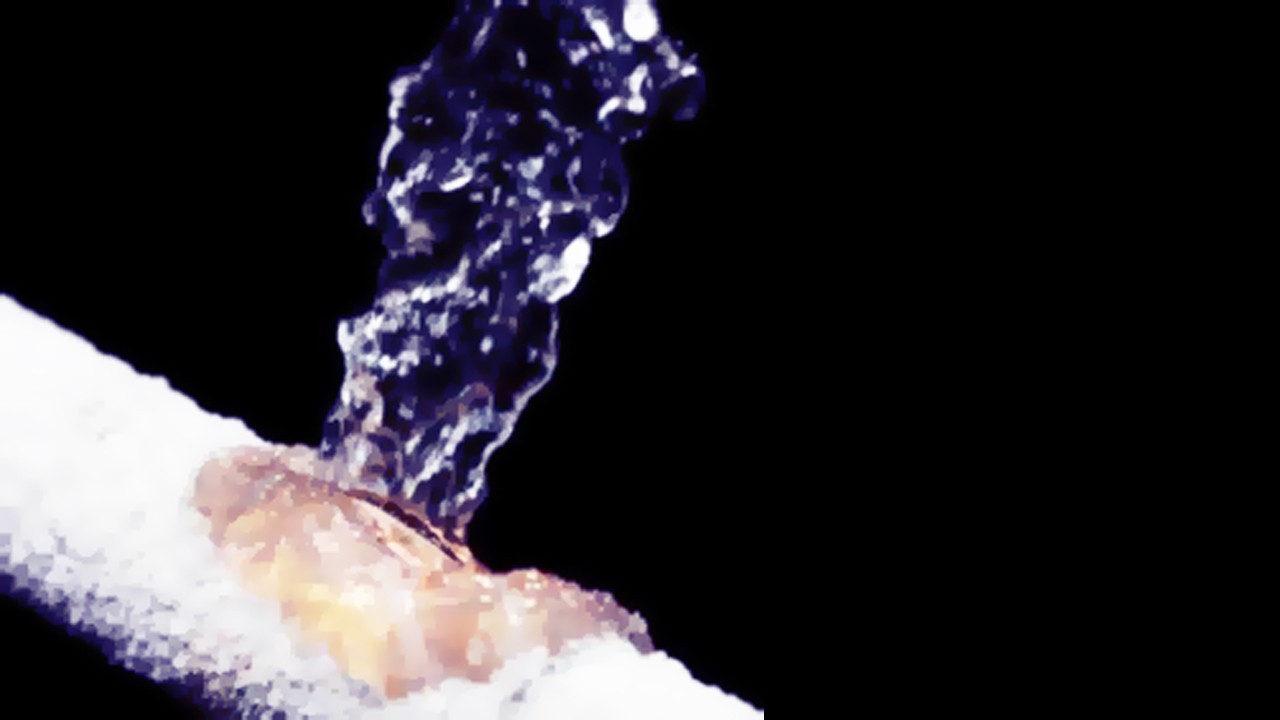
As the temperature drops and winter settles in, most homeowners focus on keeping their homes warm and cozy. But one important cold-weather concern often gets overlooked — how to prevent frozen pipes.
Frozen pipes are one of the most common causes of winter water damage. When water freezes inside a pipe, it expands, putting pressure on the pipe walls. That pressure can cause the pipe to crack or burst, leading to leaks, flooding, and costly repairs…to say nothing of personal items that can be damaged beyond repair or saving. The best defense? A little prevention before the cold sets in.
Insulate Vulnerable Pipes
The first step in preventing frozen pipes is simple: add insulation. Pipes located in unheated or drafty areas — such as basements, attics, garages, or crawl spaces — are most likely to freeze. Wrapping them in foam pipe insulation or applying heat tape helps keep the temperature inside the pipes above freezing.
Pipes running along exterior walls or near windows can freeze, too. Sealing gaps, cracks, and air leaks around those areas will help block cold air and maintain warmth where it belongs.
Let the Water Flow
Still water freezes much faster than moving water. That’s why plumbers often recommend letting a small trickle of cold water run from faucets connected to exposed pipes on especially frigid nights. The steady movement of water relieves pressure inside your plumbing system and lowers the risk of freezing.
Opening cabinet doors under kitchen or bathroom sinks can also help. This allows warm indoor air to reach the plumbing under those sinks, which is especially helpful for pipes that run along exterior walls.
Take Care of Outdoor Plumbing
Before the first freeze, disconnect all garden hoses and drain your outdoor faucets and irrigation lines. Water trapped inside outdoor plumbing can freeze, expand, and damage both the faucet and the connecting pipes inside your home. For added protection, ask a member of our team about frost-proof outdoor faucets – they are ideally suited for ongoing frozen pipe protection.
Be Prepared — Just in Case
Even with the best precautions, a pipe can still freeze. That’s why it’s important to know where your main water shut-off valve is located and how to use it. Turning it off quickly can help minimize damage if a pipe bursts or you think such an event is imminent.
Prevent Problems with Regular Maintenance
The best way to stay ahead of plumbing issues this winter is with a whole house plumbing inspection, expertly performed by Anthony’s Plumbing, Heating & Air Conditioning. We can protect your pipes and add insulation or caulk where it’s needed. We can also make sure your indoor and outdoor plumbing is well-protected even against extreme cold.


